
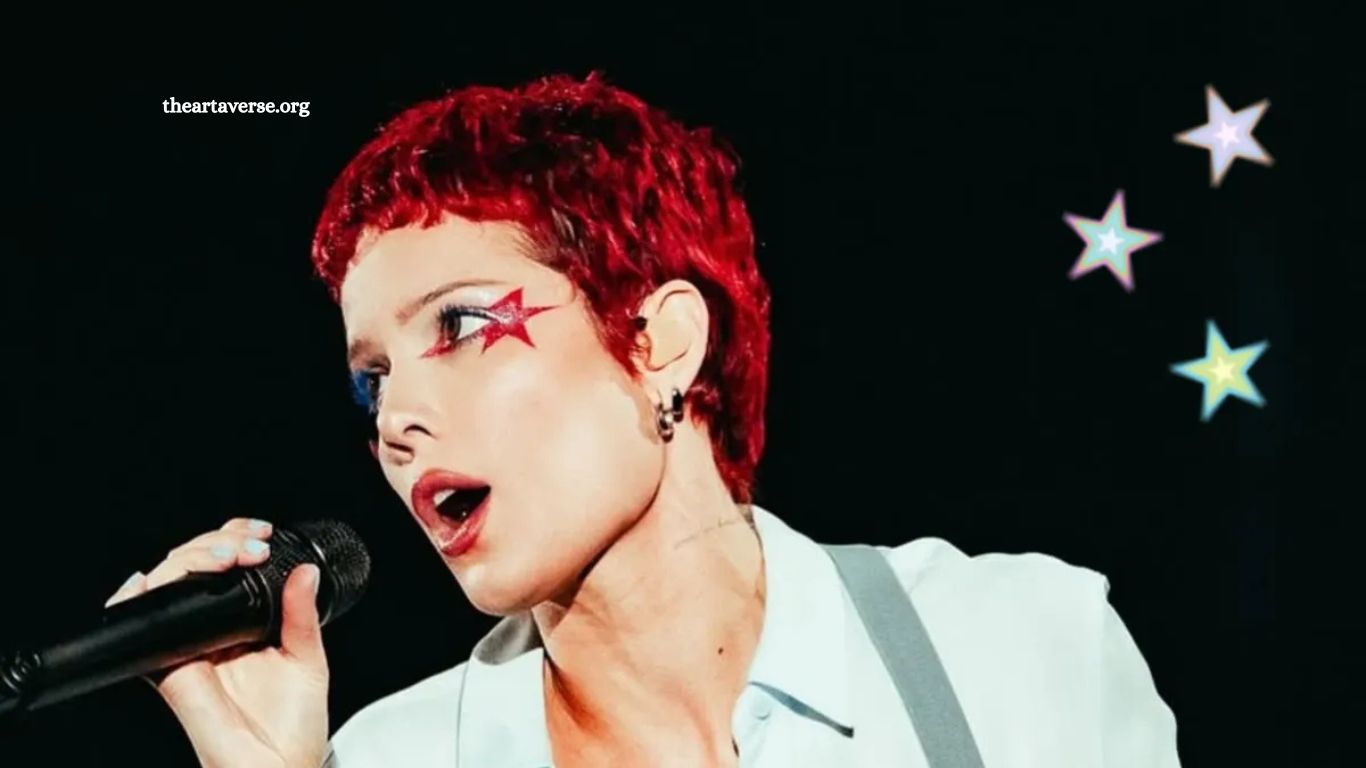
Experimental makeup is no longer just a form of self-expression it’s emerging as a powerful tool for mental well-being. By breaking traditional beauty norms, individuals explore colors, textures, and designs that reflect their inner emotions, offering a unique form of creative release. This artistic approach allows people to confront stress, anxiety, and self-doubt while fostering confidence and mindfulness.
Beyond aesthetics, experimental makeup encourages playful exploration and self-discovery, transforming the act of applying cosmetics into a therapeutic ritual. Artists, influencers, and everyday enthusiasts are embracing this trend, proving that creativity on the face can mirror healing within. As more research highlights the connection between art and mental health, makeup is carving its place as a medium for emotional balance and personal empowerment.
Beyond the Glam
Makeup has long symbolized beauty, transformation, and allure, but a quiet revolution is reshaping its role. Creators are turning their faces into emotional canvases, while underground zines celebrate gender-nonconforming and boundary-pushing makeup art.
This movement isn’t about runway glam or glossy billboards it’s raw, personal, and cathartic. Experimental makeup becomes a powerful outlet for self-expression, allowing individuals to explore identity, emotions, and creativity without limits. It’s chaotic, intimate, and transformative, proving that makeup can be more than aesthetic it can be a language of the self.
Read More: 10 Ancient Languages Still Spoken Today
Colour as Catharsis
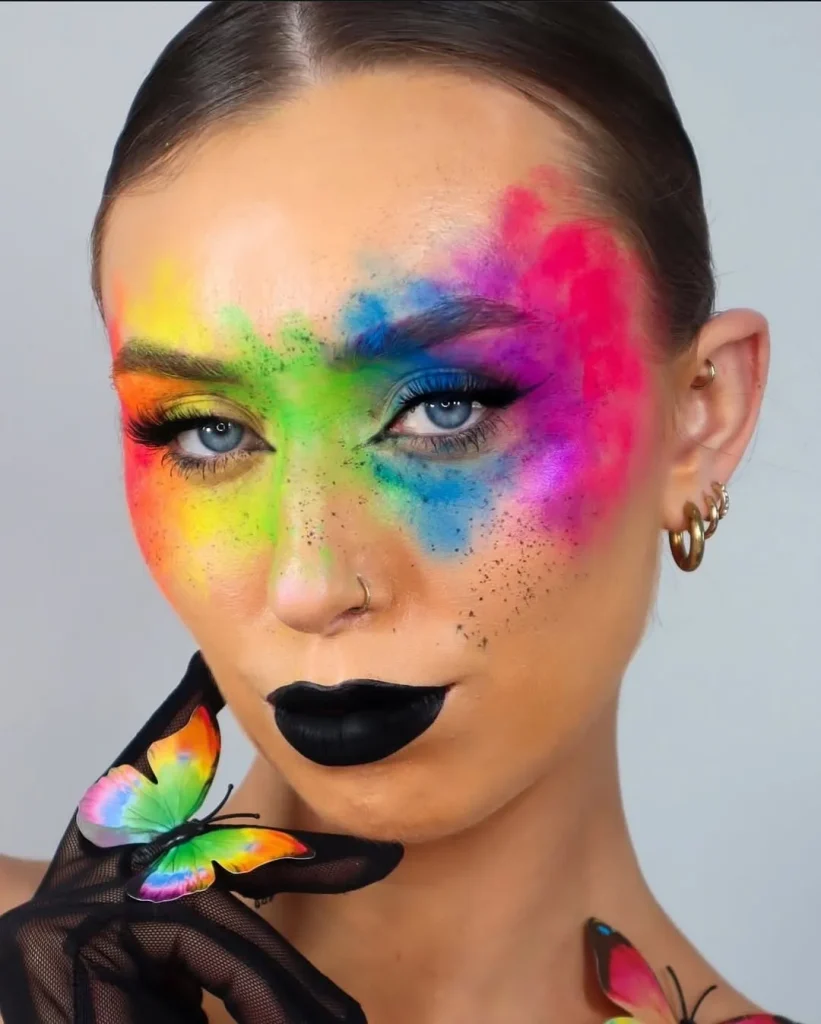
Experimental makeup focuses on intention over perfection. It’s drawing anxious spirals beneath your eyes, painting cracks or stitched lines when feeling fragmented, or doodling affirmations on your cheekbones. Sometimes it’s as simple as covering your face in daffodil yellow to summon joy. The aim isn’t traditional beauty it’s to feel, process, and express emotions.
“Sometimes I’m too depressed to get out of bed. The act of doing my makeup motivates me, energizes me, and helps me feel pretty. Feeling pretty makes me want to engage with the world, which has been incredibly helpful for managing serious mental health challenges,” says Radhika Shah, a lawyer from Mumbai.
A Ritual of Control

Mental health struggles can make you feel powerless, but creating even for a simple selfie can restore a sense of control. Choosing colors, drawing shapes, or experimenting with symmetry offers a tactile way to reclaim your body and face.
In a world that demands you “look put together,” embracing chaos on your face becomes an act of rebellion: a visual statement that says, “I’m not okay, but I’m still here, still creating, still surviving.” For some, applying makeup isn’t about appearance it’s about agency. A Reddit user who uses a wheelchair shares, “Makeup helps me feel seen. People treat me like a human and speak to me directly.”
From Mirror to Movement
What began as private mirror rituals is evolving into a shared community practice. Online, creators experiment with new styles, while some makeup brands are taking notice, celebrating self-expression over perfection.
The most powerful part of this movement is its DIY spirit. You don’t need the latest products or professional tools kajal, old eyeshadow, or even poster paint can suffice. The magic lies not in the makeup, but in the act of creating and the emotions it evokes.
“I struggle with anxiety and depression, and playing with makeup has been therapeutic. Spending over an hour rather than five minutes mentally prepares me and helps me feel capable of facing the day,” says Jharna Rathod, a Dubai-based salon owner.
A Ritual of Control
Mental health challenges can make you feel powerless, but creating even for a selfie can restore control. Choosing colors, drawing shapes, or playing with symmetry offers a tactile way to reclaim your face and body.
In a world that demands you “look put together,” embracing chaos on your face becomes an act of rebellion: “I’m not okay, but I’m still here, still creating, still surviving.” For many, makeup isn’t about appearance it’s about agency. A Reddit user who uses a wheelchair shares, “Makeup helps me feel seen. People treat me like a human and speak to me directly.”
Frequently Asked Questions
What is experimental makeup?
Experimental makeup goes beyond traditional beauty, using colors, textures, and designs to express emotions, identity, and creativity.
How can makeup support mental health?
It offers a tactile, creative outlet for stress, anxiety, and self-expression, helping individuals regain control and boost confidence.
Do you need professional skills or products?
No, DIY approaches using basic makeup or even paints can be just as therapeutic.
Can this help with anxiety or depression?
Yes, for many people, the process of creating and self-expression provides a calming, empowering ritual.
Is it only for artists or influencers?
Not at all anyone can experiment, regardless of experience or social media presence.
How is this different from regular makeup?
The focus is on intention, emotional expression, and self-discovery rather than achieving conventional beauty standards.
Can communities help?
Absolutely online groups and local communities provide inspiration, support, and shared creative spaces.
Conclusion
Experimental makeup is more than a trend—it’s a powerful form of self-expression, therapy, and personal empowerment. By embracing colors, textures, and creative chaos, individuals can explore emotions, reclaim control, and nurture mental well-being. This movement proves that beauty is not just about appearance but about intention, emotion, and agency.
