
Denim has always been more than just fabric it’s a mirror of culture, identity, and rebellion. From Levi Strauss’s rugged workwear in the 1870s to Hollywood’s rebellious icons in the 1950s, jeans have evolved with every generation. The 1980s and ’90s turned denim into a symbol of sensuality and status, while the 2000s saw it slip into commercial overload.
Now, in the 2020s, a new wave led by Gen Z is redefining what denim stands for authenticity, inclusivity, and self-expression. Through global campaigns featuring stars like Jung Kook, Mingyu, and KATSEYE, denim has reclaimed its edge, proving it’s not just a fashion staple but a timeless canvas for individuality and cultural storytelling.
The Denim Gaze: How Jeans Keep Redefining Culture
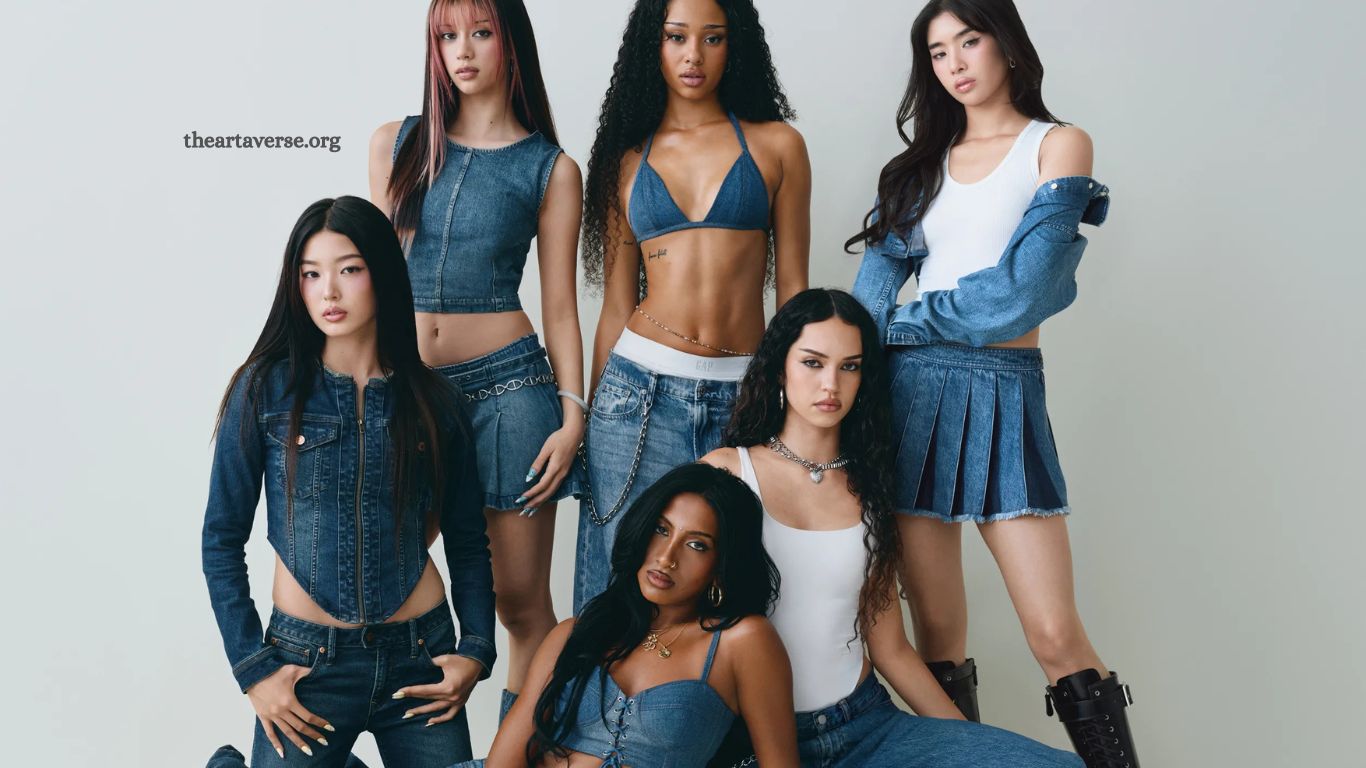
Denim is back in the spotlight, and the drama is real. Sydney Sweeney’s American Eagle campaign sparked backlash for feeling more like a perfume ad than wearable jeans too polished, too distant, and out of touch. Then came Katseye’s Gap campaign, soundtracked by Kelis’s Milkshake, offering an energetic, authentic take designed for real women who actually live in their jeans.
This contrast reflects denim’s evolution in 2025. Gone are the hyper-sexualized, airbrushed ads of the early 2000s. Gen Z demands denim with attitude authentic, inclusive, and fun. Beyoncé’s Levi’s collab captured that perfectly, merging music and empowerment, while Jung Kook and Mingyu’s Calvin Klein moments showed how global icons can revive legacy brands with lived-in realism.
Of course, denim drama isn’t new. From Brooke Shields’s provocative 1980 Calvin Klein line “Nothing comes between me and my Calvins” to Cindy Crawford’s unforgettable campaigns, jeans have always symbolized rebellion, youth, and desire. The best denim ads don’t just sell jeans; they capture the spirit of their time, weaving fabric into culture.
Few garments rival denim’s reach or reinvention. From miners to models, jeans have shaped identity, freedom, and self-expression. Every campaign tells that ongoing story of how denim continues to reflect who we are and who we want to be.
From Workwear to Rebellion: Denim’s Cultural Shift
Levi Strauss designed riveted jeans for miners in the 1870s, but Hollywood gave denim its attitude. By the 1950s, James Dean in Rebel Without a Cause and Marlon Brando in The Wild One turned jeans into a symbol of defiance and youth rebellion.
As the movement grew, advertisers caught on. By the 1970s, denim campaigns embraced that rebellious energy, positioning jeans as the uniform of counterculture a bold statement of freedom and individuality.
The Provocative 80s and 90s: Denim Meets Desire
After the rebellion of the ’70s came the seduction of the ’80s and ’90s. Calvin Klein redefined denim advertising provocative, controversial, unforgettable. Brooke Shields’ 1980 line, “Nothing comes between me and my Calvins,” became cultural shorthand for bold sensuality.
A decade later, Kate Moss and Mark Wahlberg’s steamy 1992 campaign blurred the line between fashion and fantasy. Meanwhile, Guess turned its ads into cinematic stories, casting Claudia Schiffer and Anna Nicole Smith as sultry icons of desire.
The 2000s: When Denim Lost Its Edge
By the early 2000s, denim’s magic began to fade. Brands like Diesel, True Religion, and American Eagle flooded the market. Diesel thrived on irony and self-aware humor, but many others fell into glossy sameness.
American Eagle’s attempts at authenticity often felt staged models too curated, messages too polished. What was meant to look “real” came off as performative. As consumers began craving honesty and diversity, denim advertising struggled to keep up. The once daring symbol of rebellion and desire had become just another commodity.
The New Denim Icons: Gen Z’s Global Revolution
In the 2020s, denim’s evolution has been driven by cultural icons, not anonymous models. Calvin Klein—once the rebel of denim ads found new energy by casting Jung Kook of BTS and Mingyu of SEVENTEEN. Their campaigns went viral, not for shock value, but for authenticity and charisma. The appeal is still sexy, but now it’s rooted in confidence, artistry, and connection.
Gap captured a similar spirit with its 2025 campaign featuring KATSEYE, the global girl group from the same label as BTS. Instead of over-styled perfection, Gap embraced movement, Y2K nostalgia, and genuine chemistry. The jeans weren’t made for the gaze they were made for the women wearing them.
Frequently Asked Questions
How did denim become a fashion icon?
Denim evolved from 19th-century workwear into a global fashion staple, thanks to Hollywood, music, and pop culture redefining it as a symbol of rebellion and individuality.
Why were Calvin Klein’s denim campaigns so controversial?
Calvin Klein pushed boundaries in the 1980s and ’90s with provocative ads featuring Brooke Shields and Kate Moss, sparking conversations about sexuality, youth, and advertising ethics.
What makes Gen Z’s approach to denim different?
Gen Z embraces authenticity and inclusivity. They value campaigns that reflect real lifestyles, individuality, and creative expression over airbrushed perfection.
How have celebrities influenced denim trends?
From James Dean to Jung Kook, celebrities have continually shaped denim’s image turning jeans into cultural symbols of confidence, rebellion, and identity.
Why did denim advertising lose impact in the 2000s?
Oversaturation and overly polished campaigns made denim feel commercial and uninspired. Audiences began craving authenticity and honest storytelling instead.
What defines modern denim campaigns?
Today’s denim ads focus on movement, diversity, and personality highlighting confidence and real-world connection rather than staged glamour.
Why does denim remain timeless?
Because it adapts. Denim reflects every era’s values freedom, sensuality, self-expression while staying effortlessly wearable across generations.
Conclusion
From rugged workwear to runway statement, denim has evolved alongside culture itself. Each decade reshaped its meaning from rebellion and sensuality to authenticity and self-expression. Today’s Gen Z-driven revival proves that denim is more than a trend; it’s a universal language of identity and creativity. Whether worn by miners, supermodels, or global pop icons, jeans continue to capture the spirit of every generation.
