

ROI dressing turns luxury fashion into a strategic portfolio, where iconic handbags, high-end watches, and collectible jewelry can appreciate over time. Items like the Hermès Birkin or a Patek Philippe don’t just elevate your style they can deliver impressive financial returns, often outperforming traditional assets.
Success depends on choosing the right pieces, maintaining them in pristine condition, and understanding the booming resale market. Beyond financial gains, luxury investments offer lifestyle value, from confidence and personal expression to unforgettable experiences. In short, ROI dressing merges style, strategy, and smart financial growth.
Let’s Talk Numbers
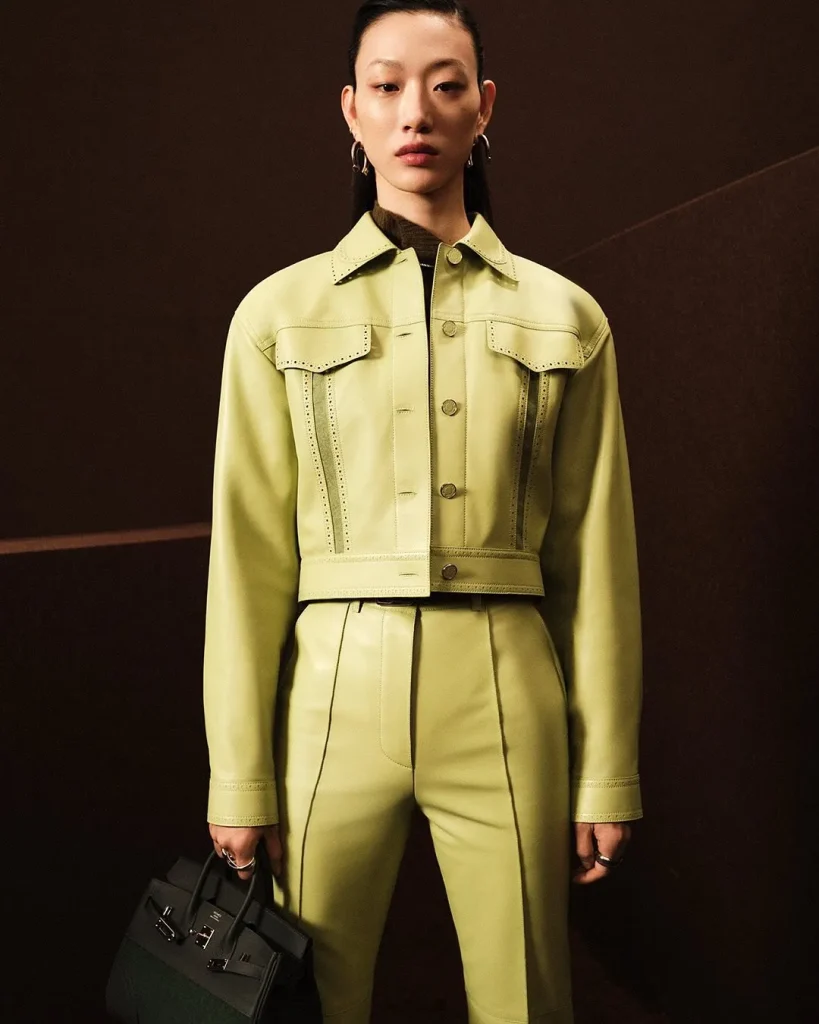
Iconic handbags like the Hermès Birkin have historically outperformed the S&P 500, appreciating around 14.2% annually between 1980 and 2015. That’s not just fashion it’s compounding couture. While stocks fluctuate, the Birkin continues its steady climb.
Read More: Artaverse.org Global News | Breaking Daily World Updates
The strategy is as old as the luxury houses:
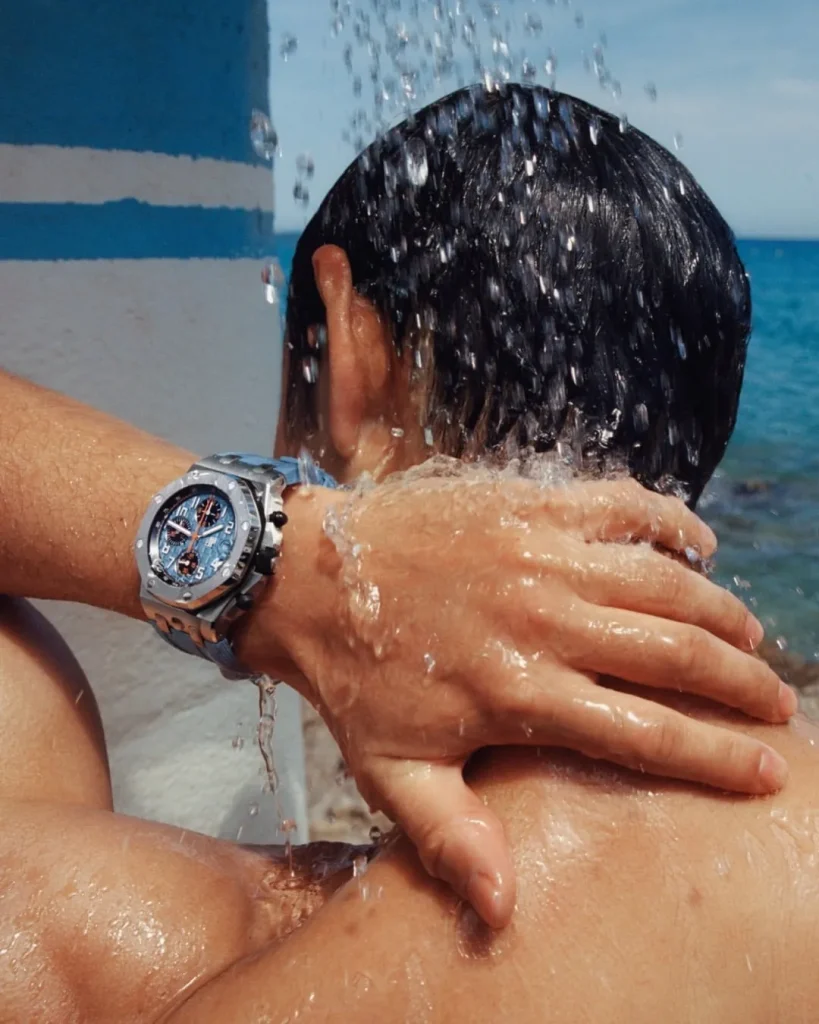
That was my mom, post-afternoon nap on a Sunday, peeking at my Chanel wishlist. My ideal “portfolio” isn’t stocks it’s a Birkin, a Chanel flap, a few Rolexes, a Patek Philippe, maybe an Audemars Piguet, and a Cartier for good measure… plus, ideally, someone who notices the fits (though that last one is rare, like most luxury drops).
This dream wardrobe minus the man can actually work as a genuine investment portfolio. Luxury items often outperform gold, stocks, or the far riskier gamble of emotionally investing in a man-child.
The Resale Market Boom
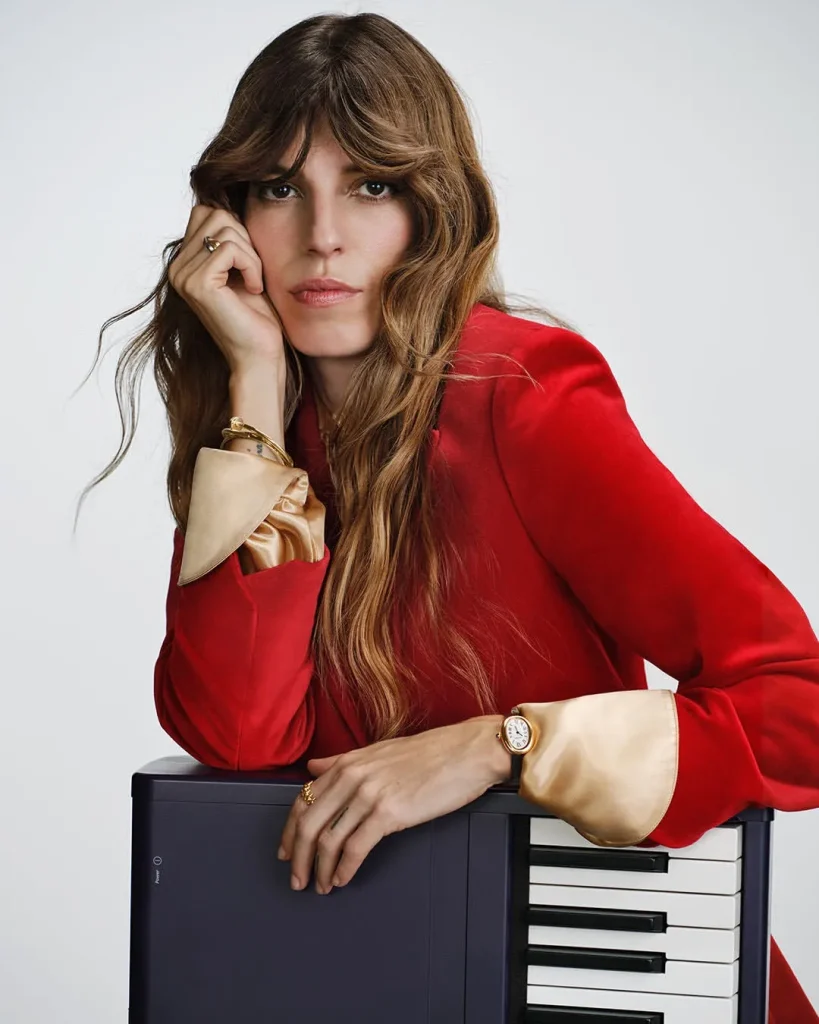
Resale is where luxury investments truly shine. Some luxury bags retain up to 90% of their value, often reselling above retail prices. Watches have also become lucrative assets, frequently selling for double their original price on the secondary market. A Cartier Baignoire, for example, could turn a hypothetical upgrade into a real payout.
It’s not just the classics limited-edition sneakers, archive fashion, and collectible jewelry are driving a billion-pound resale ecosystem, in some cases outpacing traditional investments.
Is Every Luxury Purchase an Investment?

Not every luxury buy guarantees a profit. Only select bags, watches, fine art, and collectible jewelry consistently appreciate.Condition matters: a mint-condition bag can double in value, while a scuffed one may never break even. Unlike stocks, luxury items don’t pay dividends you can’t cover rent with a handbag (unless you resell it).
Still, luxury offers non-financial returns. That Maldives trip may not gain value, but it delivers mental peace, Vitamin D, and a camera roll full of sun-kissed memories.
Frequently Asked Questions
Can luxury handbags really be considered an investment?
Yes. Iconic bags like the Hermès Birkin or Chanel Flap often appreciate over time, sometimes outperforming traditional investments like stocks or gold. Condition, rarity, and demand drive their value.
Do watches offer similar investment potential?
Absolutely. High-end watches, including Rolex, Patek Philippe, and Audemars Piguet, can retain or even double in value on the secondary market, making them a viable investment.
Are all luxury items profitable investments?
No. Only certain models, limited editions, and collectibles consistently appreciate. Condition and market demand are crucial factors.
How does resale affect the ROI of luxury items?
Resale platforms often allow ROI of luxury items to retain up to 90% of their value. Rare pieces and limited drops can sell above retail, boosting their ROI significantly.
Can luxury items replace traditional investments like stocks?
Luxury items can complement but not entirely replace traditional investments. They provide diversification, but unlike stocks, they don’t pay dividends.
What non-financial returns come from luxury purchases?
Luxury purchases also offer lifestyle and emotional returns, such as joy, status, style, and memorable experiences, which can’t be quantified but add personal value.
How should I start building a luxury investment wardrobe?
Focus on iconic, limited, and high-demand items. Research resale trends, maintain items in mint condition, and track market performance for the best ROI potential.
Conclusion
Luxury fashion isn’t just about style it can be a smart investment strategy. Iconic handbags, high-end watches, and collectible jewelry often appreciate over time, sometimes outperforming traditional assets like stocks and gold. Success depends on choosing the right pieces, maintaining their condition, and understanding resale markets.
