
The digital economy depends on trust. Every time a consumer shops online, uses a payment card, or accesses a financial account, sensitive information moves through a complex network of banks, merchants, payment processors Castro CC, and technology providers.
Unfortunately, this same digital infrastructure can also be targeted by cybercriminals.
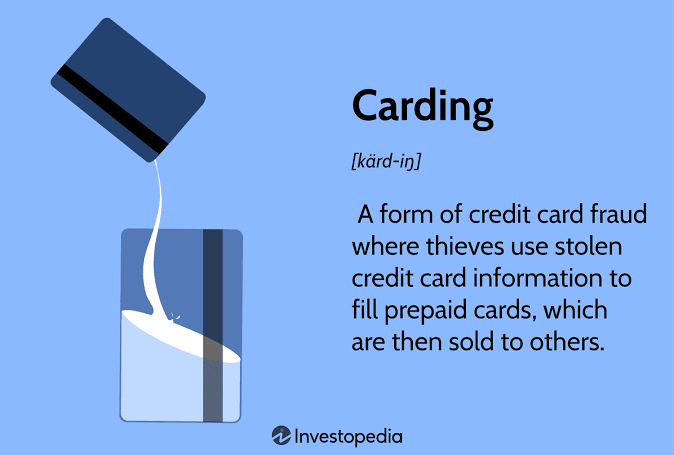
The term “Castrocvv” is often associated with discussions about underground markets for stolen payment-card information. Rather than viewing such activity as an isolated online phenomenon, it is more useful to understand it as part of a larger hidden economy built around data theft, fraud, identity abuse, and cybercrime services.
What Is the Hidden Economy of Stolen Card Information?
The hidden economy surrounding stolen card information is made up of criminal networks that obtain, exchange, and attempt to exploit compromised financial data.
Information may be exposed through:
- Phishing attacks
- Malware
- Data breaches
- Fake shopping websites
- Social engineering
- Compromised accounts
- Insecure systems
Once information is compromised, it may become part of a wider criminal ecosystem. Different groups may specialize in different stages of the process, creating a fragmented and difficult-to-monitor environment.
Castro CC in the Broader Cybercrime Landscape
The name “Castro CC” is commonly referenced in discussions of illicit carding-related activity. From a cybersecurity perspective, its importance lies less in the specific name and more in what it represents.
Modern cybercrime increasingly operates through specialized networks rather than a single centralized group.
One group may focus on data theft. Another may specialize in account compromise. Others may provide infrastructure, communication tools, or financial services designed to support criminal activity.
This specialization can make cybercrime more scalable and adaptable.
How Payment Data Becomes a Security Risk
Payment-card information may be compromised in many different ways.
A consumer may unknowingly enter information into a fake website. An employee may fall for a phishing message. A business may suffer a data breach. A device may become infected with information-stealing malware.
The original source of the compromise can vary, but the consequences may extend far beyond the initial incident.
Compromised information can lead to:
- Unauthorized transactions
- Account takeover
- Identity theft
- Financial losses
- Customer disputes
- Business disruption
This is why payment security requires more than simply monitoring individual transactions.
The Economics of Cybercrime
The underground economy often operates through specialization and division of labor.
Cybercriminal groups may exchange access, stolen information, technical services, or infrastructure. This allows individuals to participate in different stages of criminal activity without necessarily controlling the entire process.
For cybersecurity professionals, this creates a major challenge. Disrupting one part of the ecosystem may not eliminate the broader threat.
New groups, platforms, and communication channels can emerge over time.
Why Financial Institutions Invest in Fraud Prevention
Banks and payment providers understand that fraud creates costs throughout the financial system.
These costs may include:
- Unauthorized transaction losses
- Customer reimbursement
- Fraud investigations
- Security upgrades
- Customer-support demands
- Regulatory and compliance expenses
To reduce these risks, financial institutions increasingly use:
- Real-time transaction monitoring
- Multi-factor authentication
- Behavioral analytics
- Device intelligence
- Artificial intelligence
- Risk-based verification
These systems are designed to identify suspicious activity while minimizing disruption for legitimate customers.
The Consumer’s Role in Protection
Consumers can reduce their exposure to payment fraud through several practical habits.
Monitor Financial Accounts
Review bank and payment activity regularly. Report suspicious transactions quickly.
Use Multi-Factor Authentication
Additional verification can help protect accounts even when a password has been compromised.
Avoid Reusing Passwords
Unique passwords reduce the risk that one breached account will expose several others.
Be Cautious With Unexpected Messages
Scammers may impersonate banks, merchants, delivery companies, or customer-support teams. Verify requests through official channels.
Keep Devices Updated
Security updates can help protect against known vulnerabilities.
The Business Responsibility
Businesses that process or store payment information also have an important role to play.
Effective security programs may include:
- Data minimization
- Encryption
- Tokenization
- Access controls
- Employee training
- Vulnerability management
- Fraud monitoring
- Incident-response planning
Reducing the amount of sensitive information stored can also reduce the potential impact of a breach.
The Hidden Cost of Stolen Card Information
The impact of payment-card theft goes beyond the value of an unauthorized transaction.
Victims may spend time recovering accounts, replacing cards, changing passwords, and monitoring financial activity.
Businesses may face investigation costs, operational disruption, customer-support demands, and reputational damage.
Financial institutions must invest continuously in fraud prevention and security infrastructure.
The combined impact creates a much larger economic burden than the original criminal transaction may suggest.
Why Cybersecurity Intelligence Matters
Threat intelligence helps organizations understand the broader ecosystem surrounding payment fraud.
Security professionals may monitor emerging threats to identify:
- Compromised credentials
- New attack patterns
- Fraud trends
- Exposed organizational information
- Signs of potential account compromise
Responsible threat intelligence focuses on defense and victim protection. It should not involve distributing stolen information or enabling criminal activity.
The Future of Payment Security
As digital payments continue to grow, criminals will continue looking for new weaknesses.
At the same time, security technology is also advancing.
Future defenses may rely increasingly on:
- Artificial intelligence
- Behavioral analytics
- Biometric authentication
- Tokenization
- Real-time fraud detection
- Stronger identity systems
The most effective approach will likely involve multiple layers of protection rather than a single security tool.
Conclusion
Castro CC is best understood as part of the broader discussion surrounding the hidden economy of stolen payment-card information.
The real issue is not a single name or marketplace. It is the larger cybercrime ecosystem that connects data theft, fraud, identity abuse, and specialized criminal services.
For consumers, strong account security and careful online behavior remain essential. For businesses and financial institutions, continuous investment in monitoring, authentication, fraud prevention, and threat intelligence is critical.
The hidden economy of stolen card information may continue to evolve, but so can the defenses designed to combat it.
Understanding the threat is the first step. Building stronger security practices is what turns that understanding into protection.
