
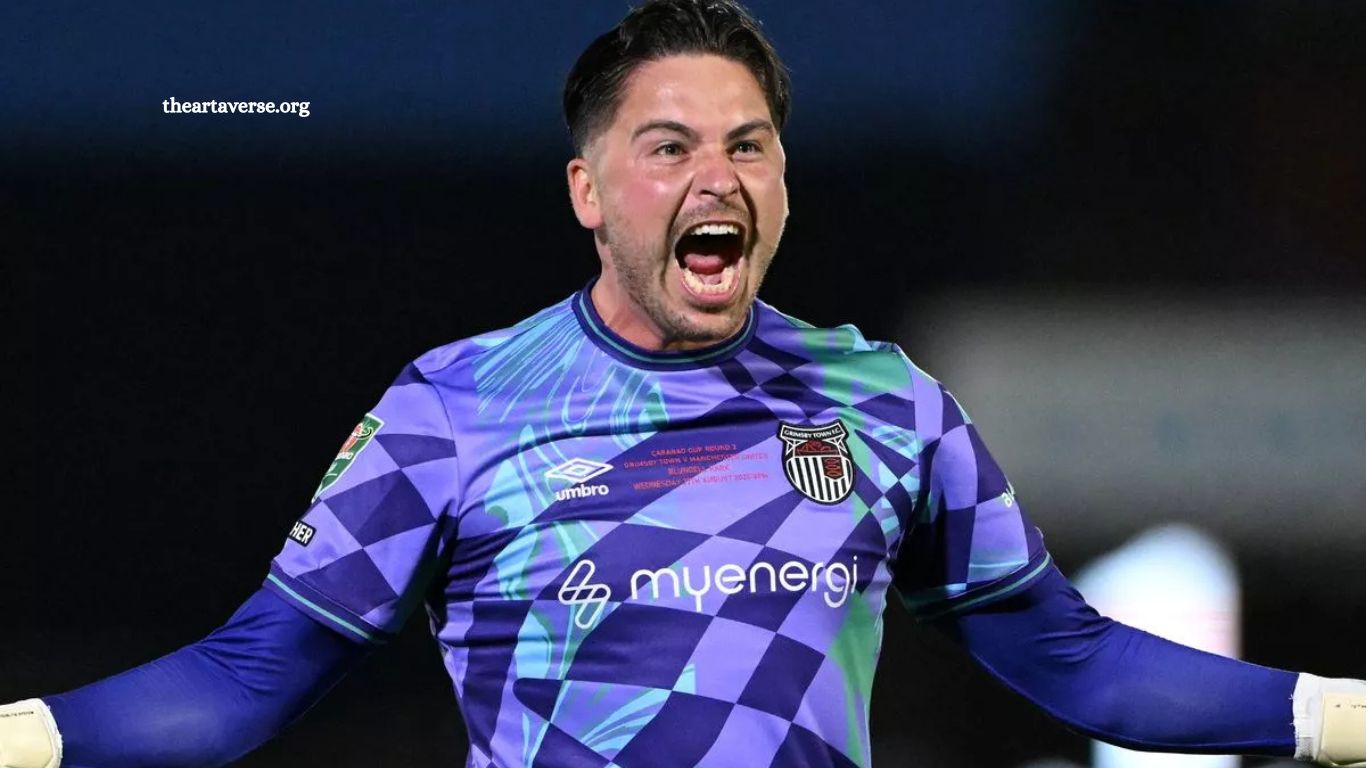
Grimsby Town goalkeeper James Pym experienced a rollercoaster of emotions following his team’s hard-fought victory, despite being a devoted Manchester United supporter. While celebrating the win with his teammates, Pym admitted he felt “half fuming,” reflecting the inner conflict of supporting one club while playing for another.
His candid reaction quickly drew attention from fans and media alike, highlighting the passion and intensity that professional footballers bring to every match. Pym’s performance in goal was pivotal, helping Grimsby secure a crucial result, but his loyalty to Manchester United made the post-match celebrations a mix of joy and frustration. This moment underscores the unique challenges players face when personal fandom intersects with professional commitments.
Pym’s Pivotal Performance
James Pym has consistently demonstrated his importance to Grimsby Town’s squad. In the recent match, his goalkeeping skills proved decisive, with several key saves keeping Grimsby in the lead. Pym’s reflexes, positioning, and leadership from the back showcased why he is a trusted figure in the team.
Fans and analysts alike have praised his calmness under pressure, noting that his performance was a combination of technical skill and mental focus. While the victory was celebrated by the team, Pym’s internal struggle with loyalty to Manchester United made the moment more nuanced.
Read More: Experimental Makeup: A Creative Path to Mental Health
A Loyal Manchester United Supporter
Growing up, Pym has always identified as a Manchester United fan, following the club’s successes and challenges with passion. His allegiance to one of England’s most iconic football clubs adds an interesting dynamic to his career, especially when facing teams that align with his personal football interests.
Being a fan of a top Premier League team while playing for another club creates a delicate balance between professional commitment and personal loyalty. Pym’s honesty about this struggle has endeared him to fans, showing a relatable side to professional athletes that goes beyond the statistics and match highlights.
Mixed Emotions on the Pitch
After the match, Pym described his feelings as “half fuming,” a statement that quickly went viral on social media. This admission reflects the internal conflict many players experience when they perform for a team different from the one they support.
Despite the joy of securing a win for Grimsby Town, Pym couldn’t completely separate his personal fandom from the professional context. His candidness has sparked discussions among fans about the human side of football, emphasizing that even elite athletes experience divided loyalties and emotional complexity.
Fans’ Reactions
The response from both Grimsby Town supporters and Manchester United fans has been overwhelmingly positive. Grimsby fans celebrated Pym’s crucial role in the win, appreciating his dedication to the club regardless of his personal allegiance. Meanwhile, Manchester United fans expressed admiration for his honesty and passion for their club.
Social media was flooded with posts highlighting the goalkeeper’s unique situation, praising his professionalism and humanizing the challenges players face behind the scenes. Pym’s story demonstrates how football can connect fans and players through shared emotions and experiences.
The Psychological Side of Professional Football
Pym’s situation highlights an often-overlooked aspect of professional sports: the psychological pressure athletes face when personal feelings and professional responsibilities intersect. Players must navigate their emotional attachments to clubs while maintaining peak performance for their current team.
Sports psychologists note that this balancing act can affect decision-making, focus, and overall performance. Pym’s ability to perform under such circumstances demonstrates not only his skill but also his mental resilience a crucial attribute for any professional footballer.
Lessons for Young Footballers
James Pym’s story offers valuable lessons for aspiring footballers. First, professionalism means prioritizing team goals over personal fandom. Second, it is okay to experience mixed emotions; acknowledging them can lead to greater self-awareness and mental strength.
Finally, transparency and honesty about one’s feelings can resonate positively with fans, building trust and respect. Young players can learn from Pym’s ability to balance personal loyalty with professional duty, showing that success in football requires both technical skill and emotional intelligence.
The Role of Media in Highlighting Player Humanity
The media has played a significant role in amplifying Pym’s story. By sharing his candid reaction, journalists have highlighted the human aspect of football, moving beyond the usual focus on match statistics and transfer rumors.
Fans now see the emotional side of athletes the dilemmas, loyalties, and passions that shape their experiences. Pym’s story serves as a reminder that football is not just about winning or losing; it is about the emotional journeys players navigate both on and off the pitch.
Grimsby Town’s Team Spirit
Grimsby Town has consistently emphasized teamwork and camaraderie, and Pym’s experience underscores this philosophy. Despite his mixed emotions, he fully committed to the team’s victory, demonstrating the professional attitude required in competitive sports.
His teammates have publicly supported him, praising his dedication and skill. This solidarity highlights the importance of a strong team culture, where players support one another regardless of personal backgrounds or allegiances.
Looking Ahead: Pym’s Future
James Pym’s career continues to be one to watch. With his strong performances and professional attitude, he is likely to attract attention from higher-tier clubs while remaining a key figure for Grimsby Town. His story also positions him as a role model for balancing personal passion with professional responsibility a lesson relevant both on and off the pitch.
As he continues to develop, fans will be eager to see how he manages the intersection of personal fandom and professional achievement.
Frequently Asked Questions
Who is James Pym?
James Pym is a professional goalkeeper for Grimsby Town and a lifelong Manchester United fan. He has gained attention for his performances on the pitch and candid remarks about balancing personal fandom with professional commitment.
Why was James Pym “half fuming” after Grimsby Town’s win?
Pym described himself as “half fuming” because, while he celebrated his team’s victory, his loyalty to Manchester United created a mix of emotions. It reflects the challenge of supporting one club while professionally playing for another.
How did Pym perform in the recent match?
Pym was pivotal in Grimsby Town’s win, making several crucial saves and demonstrating excellent reflexes and leadership. His performance helped secure a vital result for the team.
How did fans react to Pym’s mixed emotions?
Both Grimsby supporters and Manchester United fans responded positively. Grimsby fans praised his professionalism, while United fans admired his honesty and passion for their club.
What does Pym’s story teach young footballers?
Pym’s experience emphasizes professionalism, emotional intelligence, and balancing personal loyalty with team commitments essential qualities for aspiring athletes.
Does being a fan of another club affect Pym’s performance?
While it may create mixed feelings, Pym’s professionalism ensures he prioritizes his team’s success, showing strong mental resilience and focus during matches.
What’s next for James Pym?
Pym continues to be a key player for Grimsby Town, with the potential to attract attention from larger clubs while serving as a role model for managing personal fandom alongside professional responsibility.
Conclusion
James Pym’s recent mixed emotions after Grimsby Town’s victory highlight the unique balance professional footballers must maintain between personal loyalty and team commitment. As a dedicated Manchester United fan, Pym’s candid admission of feeling “half fuming” humanizes the athlete’s experience, showing that even top performers face emotional challenges.
