
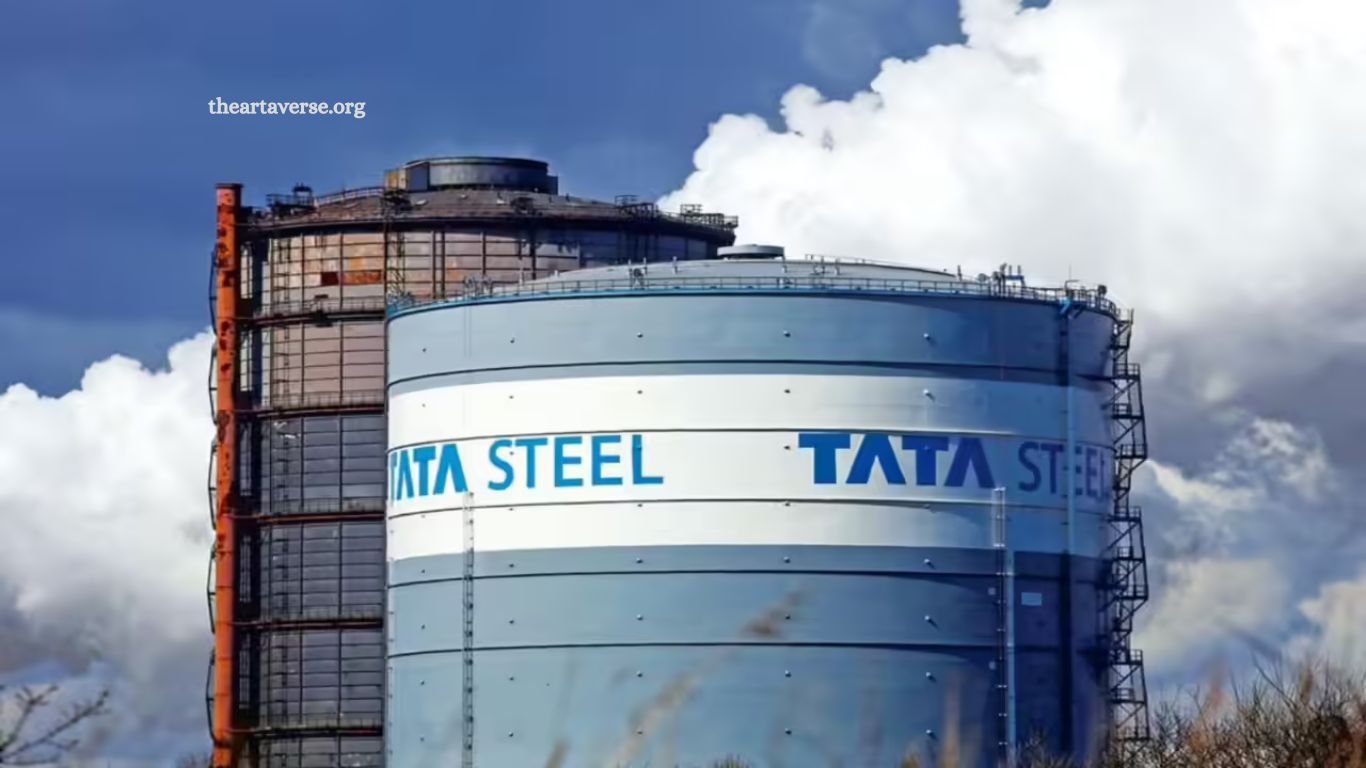
Steel industry veteran Narendran recently stated that the recent tariff changes are unlikely to have a significant impact on steel companies. According to him, most firms have adapted to global market fluctuations and possess strong operational resilience, enabling them to manage cost pressures effectively. He emphasized that while tariffs can influence import and export dynamics, the overall profitability and production capabilities of domestic steel manufacturers remain largely stable.
Industry analysts echo this view, noting that companies with diversified portfolios and efficient supply chains are better positioned to absorb minor policy shifts. Narendran’s insights underscore the steel sector’s robustness and its capacity to navigate regulatory adjustments without major disruptions, reflecting confidence in sustained growth despite evolving trade policies.
Understanding the Tariff Context
Tariffs on steel imports have been implemented by several countries in recent years, primarily to protect domestic industries from foreign competition. Such tariffs aim to make imported steel more expensive, thereby incentivizing the purchase of locally produced steel. While this may affect countries exporting steel, companies like Tata Steel that focus on domestic production face minimal disruption.
Industry analysts point out that export-oriented sectors such as textiles, gems, and jewelry might experience more pronounced challenges due to tariffs, but for steel companies catering to the domestic market, the impact remains limited. Narendran highlighted that strong domestic demand and a diversified operational base help shield Indian steel manufacturers from sudden external shocks.
Readd More: Mirabai Chanu Opens Up About Weightlifting Pressure: Training and Diet Take Priority Over Family Time
Tata Steel’s Domestic Strength
Tata Steel has consistently invested in modernizing its Indian operations, emphasizing efficiency, sustainability, and innovation. The company benefits from strong demand from infrastructure projects, construction, and manufacturing industries. These sectors continue to expand, providing a steady market for domestic steel.
Narendran emphasized that the company’s focus on domestic operations ensures stability in revenue and production. With India’s infrastructure push and ongoing urban development, the demand for steel remains robust. As a result, Tata Steel can maintain healthy production levels and profitability, even in the face of global trade tensions.
Resilience Amid Global Trade Tensions
Global steel trade has been marked by volatility, with tariffs, anti-dumping duties, and import restrictions affecting international markets. Despite these challenges, Tata Steel has strategically positioned itself to remain resilient. The company’s operational efficiency, coupled with its strong supply chain network, allows it to absorb cost fluctuations without major disruptions to production or pricing.
Narendran’s insights underline that Indian steel companies, particularly those with strong domestic operations, are not as vulnerable to tariffs as some export-oriented sectors. This resilience positions the Indian steel industry as a stable contributor to economic growth, even in times of international trade uncertainty.
European and International Operations
While Tata Steel’s Indian operations are largely insulated from tariff effects, the company’s European business may experience some challenges. Exports from European facilities to tariff-imposing countries could face additional costs, potentially affecting competitiveness in those markets.
However, Narendran noted that the overall impact on the company’s global business is expected to be manageable. Strategic planning, diversification of markets, and operational efficiency help mitigate the effect of external tariffs. By focusing on both domestic growth and selective international operations, Tata Steel maintains a balanced approach to navigating global trade dynamics.
Government Measures Supporting Steel Sector
The Indian government has recognized the potential challenges posed by international tariffs and is actively exploring measures to protect export-oriented sectors. These include policy reforms, fiscal incentives, and trade negotiations aimed at ensuring competitiveness in global markets.
For the domestic steel sector, these measures reinforce confidence. Narendran highlighted that government support, combined with strong domestic demand, provides a buffer against external shocks. Such proactive measures help sustain growth in the steel industry, while also allowing companies to invest in modernization, research, and capacity expansion.
Industry Analysts’ Perspective
Analysts in the steel industry largely agree with Narendran’s assessment. They point out that Indian steel manufacturers with diversified portfolios and strong domestic market exposure are less affected by international tariffs. These companies have invested in efficient production techniques, automated processes, and sustainable practices, which collectively enhance resilience.
While minor adjustments may be required in supply chain planning and pricing strategies, the overall profitability and operational stability of domestic steel companies remain intact. Experts also highlight that ongoing infrastructure projects in India will continue to drive steel demand, providing a strong foundation for growth despite international trade fluctuations.
Opportunities Amid Challenges
Even amid tariff-related challenges, opportunities exist for the steel sector. Companies like Tata Steel can leverage domestic growth, invest in advanced manufacturing technologies, and expand into emerging markets less affected by tariffs.
Narendran emphasized the importance of innovation and adaptability. By focusing on efficiency, sustainability, and quality, Tata Steel is not only mitigating potential risks but also positioning itself for long-term success. The company’s proactive approach ensures that it remains competitive, even as global trade policies evolve.
Frequently Asked Questions
How will the recent steel tariffs impact Indian steel companies?
According to Tata Steel CEO T.V. Narendran, Indian steel companies, especially those focused on the domestic market, are largely unaffected by recent international steel tariffs. Strong domestic demand and operational resilience help shield these companies from major disruptions.
Will Tata Steel’s European operations be affected by tariffs?
Yes, Tata Steel’s European business may face some challenges due to tariffs on exports to affected markets. However, the impact is expected to be manageable, thanks to strategic planning and diversified operations.
Which sectors are most affected by international tariffs?
Export-oriented sectors like textiles, gems, and jewelry may face more significant challenges due to tariffs, as they rely heavily on international markets where tariffs increase costs and reduce competitiveness.
How does Tata Steel maintain stability amid global trade tensions?
Tata Steel relies on operational efficiency, a strong domestic supply chain, and strategic diversification. These factors allow the company to absorb cost fluctuations and remain stable despite international trade challenges.
What role does the Indian government play in mitigating tariff effects?
The government is implementing measures such as policy reforms, trade negotiations, and fiscal incentives to support export-oriented industries. These initiatives help protect companies from external shocks while encouraging growth in domestic markets.
Why is domestic demand crucial for Indian steel companies?
Strong domestic demand from construction, infrastructure, and manufacturing sectors provides a stable revenue base for steel companies. This demand helps companies like Tata Steel maintain production and profitability, even during global trade uncertainties.
What strategies ensure long-term growth for Tata Steel?
Tata Steel focuses on innovation, sustainability, efficiency, and market diversification. By investing in advanced technologies and maintaining operational resilience, the company positions itself for sustainable growth despite global trade challenges.
Conclusion
T.V. Narendran’s insights reaffirm the resilience of India’s steel sector amid international trade uncertainties. With strong domestic demand, efficient operations, and strategic market positioning, Tata Steel and other Indian steel companies remain largely insulated from the effects of recent steel tariffs. While export-oriented sectors may face challenges, the combination of government support, infrastructure-driven demand, and proactive business strategies ensures stability and sustained growth.
