
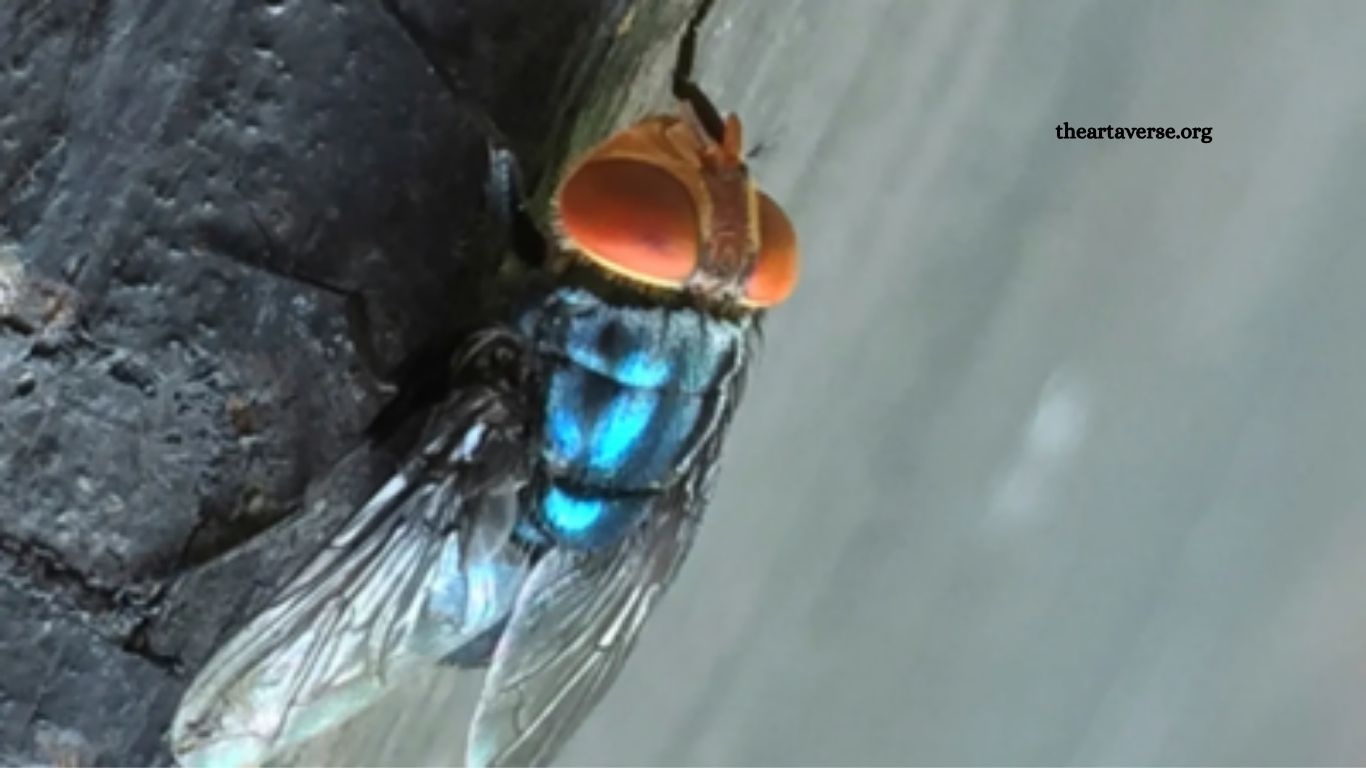
The U.S. Department of Health and Human Services (HHS) has confirmed the nation’s first travel-related human case of the New World screwworm, a dangerous flesh-eating parasite. The infection was identified in a Maryland patient who had recently returned from El Salvador and has since fully recovered. According to the CDC and Maryland health officials, no additional human or animal cases have been detected.
Although the public risk remains low, experts warn that the parasite poses a serious threat to livestock, particularly in Texas, where cattle ranchers are on alert. Authorities have heightened surveillance and prevention measures to protect both humans and animals from this rare but potentially devastating infestation.
What Are Screwworms?
The New World screwworm is a parasitic fly that lays eggs in open wounds or body cavities of humans and animals. Found mainly in South America and the Caribbean, it poses a major threat to livestock despite being rare in humans. The CDC and U.S. Department of Agriculture are monitoring and preventing its spread across the Americas.
Once a serious problem for U.S. cattle in the 19th and early 20th centuries, screwworms were largely eradicated from Florida and Texas by the 1970s. The metallic blue-green fly earned the nickname “man-eater” for its flesh-feeding larvae. Female flies deposit eggs in wounds, and the hatched larvae feed on living tissue, causing painful, slow-healing sores, foul-smelling discharge, and sometimes visible maggots. Though infection doesn’t spread person to person, people visiting regions with livestock or untreated wounds face higher risk.
Symptoms and Treatment
In humans, New World screwworm infection causes painful, slow-healing wounds, often with a foul odor or visible maggots. The CDC warns that people face higher risk when traveling to areas with livestock infestations, sleeping outdoors, or having untreated wounds.
Treatment involves surgical or manual removal of the larvae, followed by thorough wound cleaning and disinfection. Health experts advise against self-removal, as improper handling can worsen the infection or cause tissue damage. Prompt medical attention ensures faster recovery and prevents complications.
Are More Cases Likely?
Experts say more cases are possible. For decades, scientists kept screwworm populations under control by releasing sterile male flies, which produced infertile eggs when mating with wild females. However, gaps in this program, along with human and animal migration, have allowed the parasite to resurface in northern regions.
Researchers are now testing advanced genetic methods to curb the fly population, while U.S. officials strengthen surveillance and prevention measures to stop future outbreaks.
Impact on U.S. Agriculture
The USDA has tightened livestock trade restrictions at southern ports to stop the New World screwworm from spreading. Typically, over a million cattle enter the U.S. from Mexico each year, but imports remain limited. The only current sterile fly facility, located in Panama City, produces about 100 million sterile flies weekly—far short of the 500 million needed to push the pest back toward the Darien Gap between Panama and Colombia.
The recent U.S. human case has heightened concern among cattle ranchers, especially in Texas, the nation’s top cattle-producing state. The USDA estimates an outbreak there could cause $1.8 billion in losses from livestock deaths, treatment, and labor. To boost defenses, Agriculture Secretary Brooke Rollins announced plans for a new sterile fly facility in Texas, while Mexico is building a $51 million plant to strengthen regional containment.
Frequently Asked Questions
What is the New World screwworm?
The New World screwworm is a parasitic fly whose larvae feed on the living tissue of animals and humans.
How do humans get infected with screwworms?
Infection occurs when female flies lay eggs in open wounds or body openings; larvae then feed on living flesh.
Where is the New World screwworm found?
It’s mainly found in South America and the Caribbean but can spread north through Central America and Mexico.
What are the symptoms of screwworm infection in humans?
Common symptoms include painful, slow-healing wounds, foul-smelling discharge, and visible maggots in the affected area.
How is screwworm infection treated?
Treatment involves surgical or manual removal of larvae, followed by cleaning, disinfection, and antibiotic care.
Can screwworms spread from person to person?
No, screwworm infections do not spread directly between humans. They require flies to transmit the eggs.
How is the U.S. preventing future screwworm outbreaks?
The USDA and CDC are expanding sterile fly programs, genetic control methods, and livestock trade restrictions to stop the parasite’s spread.
Conclusion
The confirmation of the first U.S. human case of New World screwworm has renewed attention on this dangerous parasite. While the risk to the public remains low, the potential impact on livestock and agriculture is significant. Ongoing prevention efforts—such as sterile fly programs, enhanced border controls, and international cooperation—are vital to stop its spread. With early detection, prompt treatment, and continued vigilance, the U.S. aims to prevent the screwworm from regaining a foothold and protect both public health and the cattle industry.
