
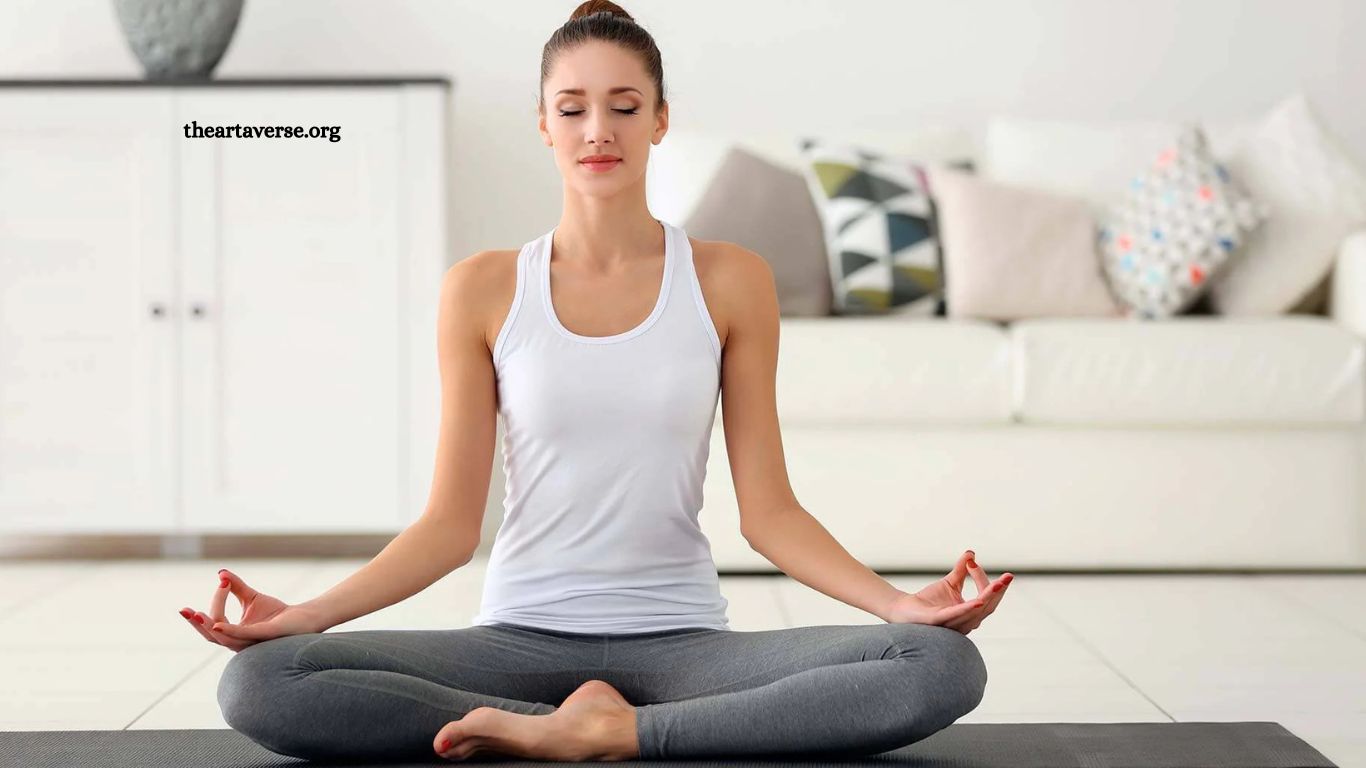
High blood pressure, or hypertension, affects millions worldwide and can lead to serious health complications if left unmanaged. While medications help, natural approaches like yoga offer a gentle, effective way to support heart health. Practicing yoga regularly helps reduce stress, improve circulation, and promote relaxation, all of which can contribute to lower blood pressure.
In this guide, we’ll explore 7 simple yoga poses that are safe, beginner-friendly, and highly effective for maintaining healthy blood pressure levels. Incorporating these poses into your daily routine can not only enhance your physical well-being but also foster mental calmness, making yoga a holistic approach to managing hypertension naturally and sustainably.
7 Simple Yoga Exercises to Naturally Lower Blood Pressure
Hypertension, or high blood pressure, affects both men and women and can lead to serious health issues such as heart disease and stroke. Alongside medication, natural practices like yoga can help lower blood pressure safely.
Yoga supports both mental and physical well-being by reducing stress, improving circulation, and balancing the nervous system. Regular practice promotes overall cardiovascular health and helps maintain healthy blood pressure levels. Here are 7 simple yoga exercises you can incorporate into your routine to naturally manage and reduce high blood pressure.
Read More: Four-Day Dharana Reset at Shillim: A Journey of Mindful Breathing
Shavasana (Corpse Pose)
Shavasana is a powerful relaxation pose that calms both the mind and body. Lie flat on your back with legs slightly apart and arms by your sides, palms facing upward. Close your eyes and focus on slow, deep breathing. This pose helps reduce stress hormones that can raise blood pressure while promoting better circulation.
Practicing Shavasana for 10–15 minutes daily fosters deep relaxation, lowers anxiety, and restores balance after any yoga session. Often used to conclude yoga routines, it is a simple yet effective way to naturally manage blood pressure and support overall cardiovascular health.
Paschimottanasana (Seated Forward Bend)
Paschimottanasana begins by sitting with legs extended straight in front of you. Hinge forward from your hips to reach toward your feet while keeping your spine straight. This gentle forward bend stretches the back muscles, massages the abdominal organs, and promotes mental relaxation.
By activating the parasympathetic nervous system, it reduces stress and encourages calmness, which can help lower blood pressure naturally. Additionally, the pose supports better circulation and digestive health. Always move within your comfort zone to avoid strain, ensuring a safe and effective practice.
Baddha Konasana (Butterfly Pose)
Sit with the soles of your feet together and knees gently dropping outward like butterfly wings, keeping your spine upright. This hip-opening pose improves heart function and promotes healthy blood flow. Practicing Baddha Konasana relieves physical and mental fatigue, encourages relaxation, and enhances circulation throughout the body.
Improved circulation delivers essential nutrients to vital organs, supporting cardiovascular health and aiding in natural blood pressure management. Regular practice fosters both physical ease and mental calm, making it an effective yoga pose for maintaining healthy blood pressure naturally.
Setu Bandhasana (Bridge Pose)
Lie on your back with knees bent and feet flat on the floor, hip-width apart. Lift your hips toward the ceiling while keeping your shoulders relaxed and chest open. Setu Bandhasana stimulates the kidneys, improves circulation, and calms the nervous system.
By promoting relaxation and supporting heart function, it helps regulate blood pressure naturally. The pose also expands the chest and lungs, enhancing oxygen flow throughout the body, which benefits cardiovascular health. Regular practice of Bridge Pose strengthens the heart, improves circulation, and supports overall blood pressure management.
Ardha Matsyendrasana (Half Spinal Twist)
Sit with your legs folded and gently twist your torso to one side, using the opposite hand for support while keeping your spine straight. This seated spinal twist stimulates internal organs and enhances blood flow to the heart. By relieving physical and mental tension, it helps reduce stress-related increases in blood pressure.
The twisting motion also improves spinal flexibility and promotes mental clarity. Regular practice of Ardha Matsyendrasana supports healthy circulation and encourages relaxation, making it an effective yoga pose for naturally managing hypertension.
Viparita Karani (Legs-Up-The-Wall Pose)
Lie on your back with legs extended vertically against a wall or flat surface. This gentle inversion allows blood to flow back to the heart effortlessly, promoting relaxation and calming the nervous system. Elevating the legs relieves tired muscles and enhances circulation throughout the body, helping reduce stress and naturally lower blood pressure. Practicing Viparita Karani for 10–15 minutes daily supports cardiovascular health, encourages deep relaxation, and aids the body’s natural recovery processes.
Frequently Asked Questions
Can yoga really lower blood pressure?
Yes. Regular yoga practice reduces stress, improves circulation, and activates the parasympathetic nervous system, which can naturally help lower blood pressure.
How often should I practice these yoga poses?
For best results, practice these poses daily or at least 4–5 times a week for 15–30 minutes per session.
Are these poses safe for beginners?
Yes. All seven poses are beginner-friendly, but always practice within your comfort zone and avoid overstretching.
How long should I hold each pose?
Hold each pose for 1–5 minutes, focusing on deep, slow breathing to maximize relaxation and circulation benefits.
Can yoga replace blood pressure medication?
Yoga supports blood pressure management but should not replace prescribed medication. Always consult your doctor before making changes.
Can I combine these poses with other exercises?
Absolutely. Yoga complements walking, swimming, or light cardio, enhancing overall heart health and stress reduction.
When is the best time to practice yoga for blood pressure?
Early morning or evening, when the mind is calm, is ideal. Consistency is more important than timing.
Conclusion
Incorporating these seven simple yoga poses into your daily routine can be a natural and effective way to manage high blood pressure. By reducing stress, improving circulation, and promoting relaxation, yoga supports both heart health and overall well-being. Consistent practice not only helps regulate blood pressure but also enhances mental clarity, flexibility, and energy levels.
